

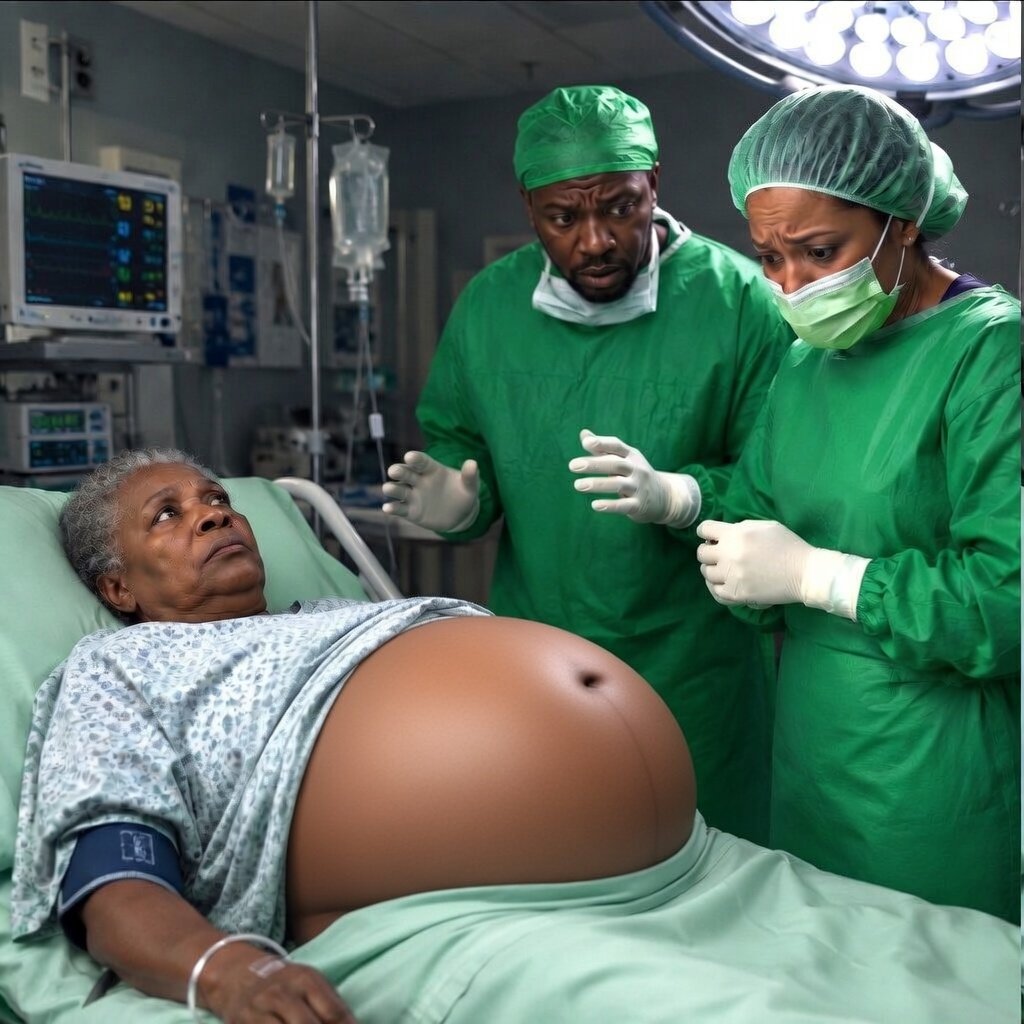
**A Miracle Too Late**
At sixty-five years old, Margaret Ekwensi discovered she was pregnant.
The first test was a cheap pharmacy strip she bought on a whim after two weeks of inexplicable fatigue and a strange, fluttering sensation low in her belly. She had laughed at herself in the tiny bathroom of her modest home in Fes, Morocco—*at my age?*—but when the second pink line appeared, faint but unmistakable, her laughter turned into a choked sob. She bought three more tests. Then five. Every single one screamed the same impossible truth.
Two bold lines.
She sat on the edge of her bed that evening, the tests lined up like tiny pink soldiers on her nightstand, and cried until her eyes swelled shut. For forty years she had dreamed of this moment. Forty years of doctors shaking their heads, of treatments that drained her savings and her hope, of watching her younger sisters and cousins fill their homes with children while her own arms remained empty. Her husband, Ibrahim, had passed away eight years earlier, still whispering apologies on his deathbed for never being able to give her the one thing she wanted most.
Now, alone but not lonely—never lonely again—she pressed both hands to her still-flat stomach and whispered, “Hello, little one. I’ve been waiting for you my whole life.”
The news spread like wildfire through the family. Her nieces and nephews, now adults with children of their own, called in disbelief. Some laughed nervously, thinking it was a joke. Others offered cautious congratulations laced with concern. Her eldest niece, Aisha, flew in from Casablanca the very next week.
“Auntie Maggie,” Aisha said gently, sitting beside her on the worn sofa, “you know this is… dangerous, right? At your age—”
“I know what the risks are,” Margaret interrupted, her voice steady for the first time in decades. “I also know what it feels like to have no hope at all. This child is a gift from God. I will not throw it away out of fear.”
The pregnancy progressed with a mixture of wonder and terror.
Her belly swelled slowly at first, then rapidly, as if making up for lost time. By the fifth month she could no longer fasten her old dresses and had to wear flowing kaftans that draped over the growing mound. She spoke to the baby constantly—while watering her small garden of mint and roses, while cooking *tagine* with extra care, while lying in bed at night with her hands cradling the life inside her.
