

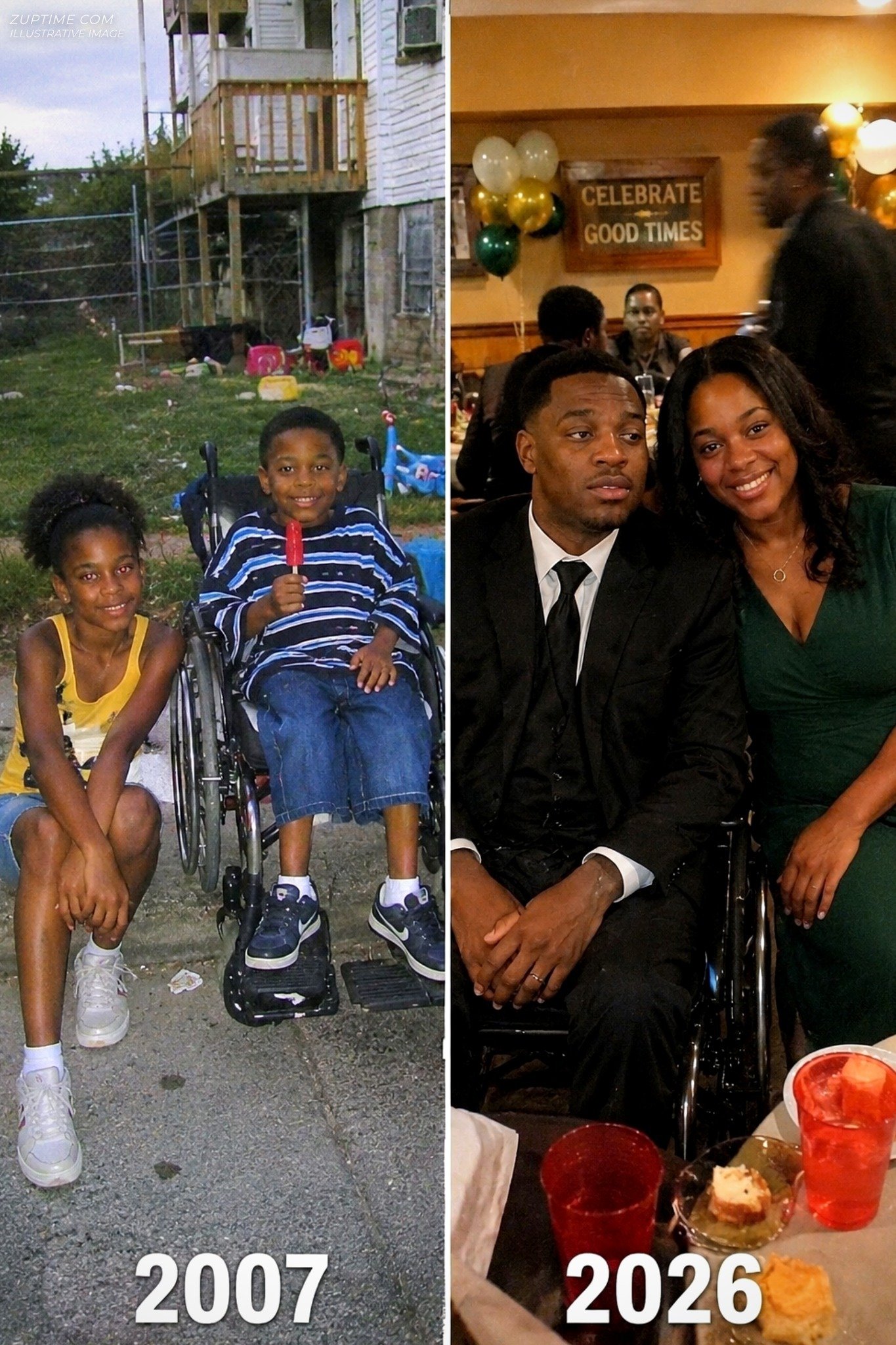
The morning after our wedding, a stranger knocked and said, “There’s something you don’t know about your husband.”
I’m 28 now, and that knock still echoes in my memory like it happened yesterday. My name is Maya. For most of my life, the only constant I had was Noah. And on that warm June morning in our tiny one-bedroom apartment, with the scent of leftover wedding cake still lingering in the air, everything I thought I knew about the man I loved was about to shift beneath my feet.
But let me start from the beginning.
---
I entered the foster system when I was four. My mother had overdosed, and there was no father on the birth certificate. The first few homes were a blur of unfamiliar smells, rules that changed daily, and the sinking feeling that I was temporary. By the time I was eight, I’d been in six placements. Each time, the families would start enthusiastic—*She’s such a bright girl! She’ll fit right in!*—and end the same way: overwhelmed, exhausted, returning me like a defective appliance.
The last rejection came on a rainy Tuesday. I sat in the social worker’s car, staring at my small backpack containing everything I owned: two outfits, a worn stuffed rabbit named Buttons, and a notebook where I drew pictures of houses with families inside them. The social worker, Ms. Rivera, tried to sound hopeful. “This orphanage has a good reputation, Maya. You’ll have friends there.”
I didn’t believe her. Friends were for other kids.
St. Agnes Home for Children was an old brick building on the edge of the city, surrounded by chain-link fences and patchy grass. The paint inside was peeling, the floors creaked, and the air smelled of boiled cabbage and disinfectant. But it was the first place that felt... permanent. No one was pretending I was their forever child. Here, we were all temporary together.
That’s where I met Noah.
He was nine, small for his age, with warm brown skin, bright eyes, and a smile that seemed too big for his circumstances. He sat in an old manual wheelchair, his legs thin beneath striped pajamas. A spinal condition from birth, the staff said. He couldn’t walk, but his mind moved faster than anyone I’d ever known.
Most kids avoided him. Wheelchairs made people uncomfortable. They didn’t know what to say. But on my second day, I saw him in the common room, struggling to reach a book on a high shelf. I climbed the rickety chair beside him, grabbed it, and handed it over.
“Thanks,” he said, grinning. “I’m Noah. You’re new.”
