

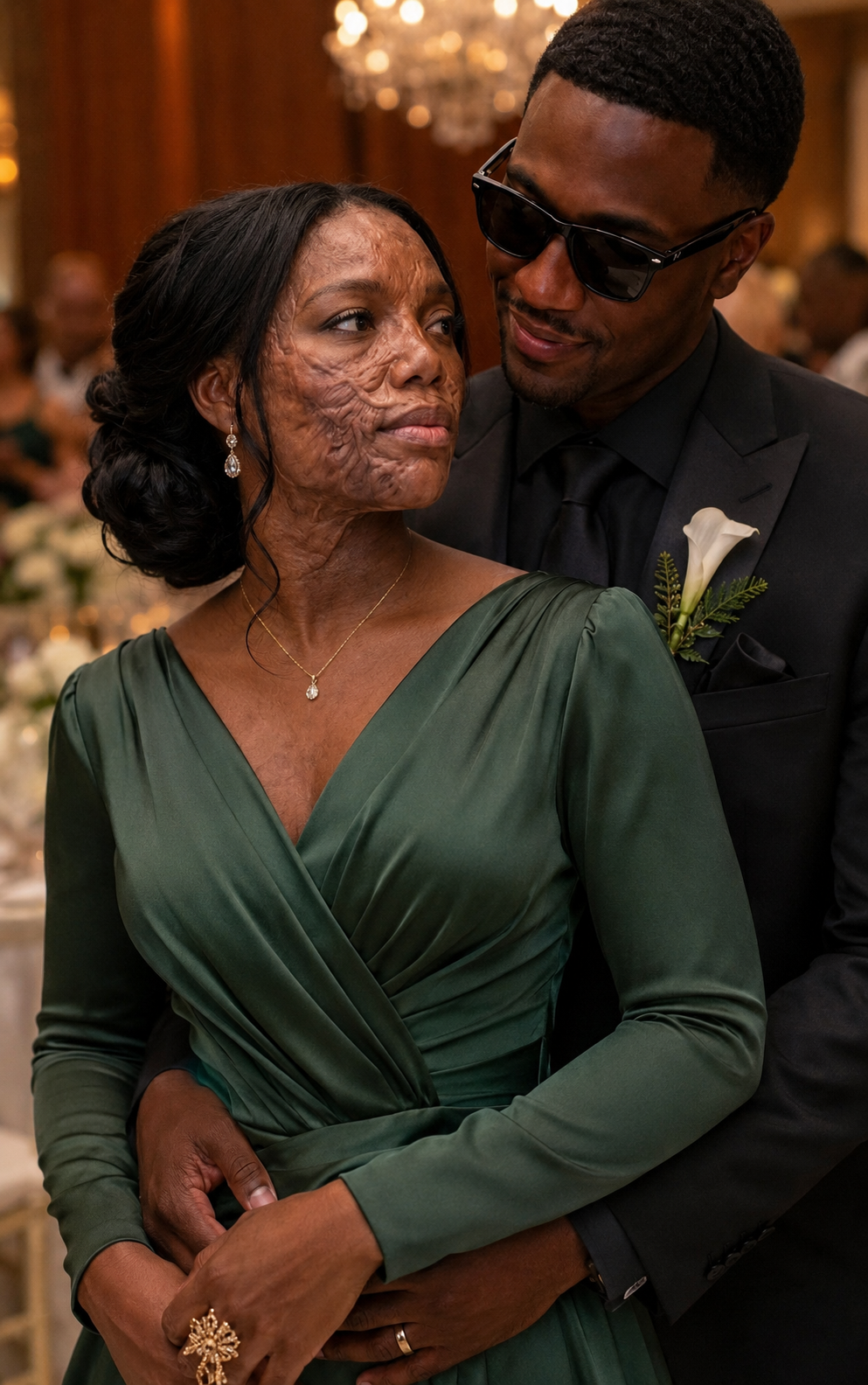
We went to intense couples counseling with a therapist who specialized in trauma. Callahan shared everything — the nightmares, the letters he wrote to my family but never sent, the way he chose to work with children as a form of redemption.
I shared my rage, my grief, and eventually, my gratitude that the man who had broken me had also helped heal me.
His blindness, once a comfort, now felt like a cruel twist of fate. He would never truly see the woman he loved, but he saw her more clearly than anyone ever had.
Six months after our wedding, we took a trip to the ocean. Standing on the beach, waves crashing at our feet, Callahan held me from behind.
“I don’t expect you to ever fully forgive me,” he said quietly. “But I will spend every day of my life earning the chance to try.”
I turned in his arms and kissed him deeply.
“I already forgave you,” I whispered against his lips. “The night you chose truth over comfort. That’s the man I married.”
We renewed our vows a year later — this time with full honesty in front of our closest friends and family. Callahan’s students played again, better this time. I wore a dress with shorter sleeves, no longer hiding my scars. They were part of our story now.
Callahan still teaches piano. I still create art. Together, we started a foundation that helps burn survivors and provides music therapy for trauma victims.
Some nights, when the scars ache or the guilt weighs heavy on him, we hold each other and remember that love isn’t about perfect beginnings.
It’s about choosing each other through the wreckage.
And on the night I married a blind man so he’d never see my scars, he taught me the most important truth of all:
Real love doesn’t look with eyes.
It sees with the heart.
